
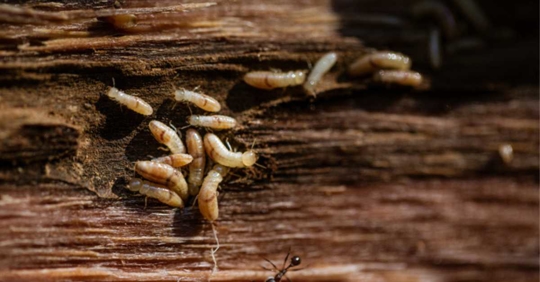
When the Bay Area weather cools down, many of us might think that outdoor pests, especially insects, are taking a long winter nap. Unfortunately, this couldn't be further from the truth when it comes to termites. While some pests do become less active in colder months, termites are a year-round threat to your home.
For homeowners in the Bay Area, particularly those with older properties or wooden structures, understanding this constant threat is crucial to protecting your most valuable asset. Skipping winter inspections can leave your home vulnerable to extensive damage that goes unnoticed until it's a much bigger problem. At Bay Pest Solution Inc, we're here to help you understand why proactive measures, even in winter, are your best defense against these destructive pests.
If you suspect termite activity or haven't had an inspection in a while, take action now! Call us for a comprehensive termite inspection at (408) 413-0336 or visit our dedicated termite control services page to learn how we can help protect your home.
Why Termites Are a Year-Round Threat in the Bay Area
The mild climate of the Bay Area is a double-edged sword when it comes to termites. Unlike regions with harsh winters, our relatively consistent temperatures mean that subterranean termites, the most common type found here, can remain active throughout the year. They simply move deeper into the soil where temperatures are more stable and moisture is readily available.
Drywood termites, another common Bay Area variety, live entirely within the wood they infest, making them less susceptible to external temperature fluctuations. This continuous activity means that damage can accumulate in your home without any apparent signs on the surface, making year-round vigilance essential.
Understanding Termite Behavior in Colder Months
While you might not see swarmers as frequently in winter as you do in spring, this doesn't mean termites have disappeared. Their colonies continue to operate, with worker termites tirelessly foraging for cellulose to feed the queen and the rest of the colony. Here's what makes winter a critical time for termite activity:
- Seeking Shelter and Food: As outdoor food sources become scarcer or less accessible, termites may be more inclined to seek out the warmth and abundant food supply (your home's wooden structure!) indoors. They can find entry points through tiny cracks in foundations, utility lines, or even wood touching the soil.
- Deepening Colonies: Subterranean termites will burrow deeper into the ground, below the frost line if there is one, to maintain a stable environment. From this protected position, they can still construct mud tubes to reach your home’s wooden elements.
- Concealed Damage: Termites are masters of stealth. They eat wood from the inside out, often leaving a thin veneer on the surface. This means significant damage can occur undetected, particularly in areas of your home that are less frequently inspected, like crawl spaces, attics, or behind walls.
Understanding these behaviors highlights why relying on visible signs alone is not enough to protect your home. A professional inspection can uncover hidden activity that might otherwise go unnoticed.
The Risks of Skipping Winter Termite Inspections
Neglecting winter termite inspections can lead to several costly consequences for homeowners. The potential for continuous, undetected damage is a significant concern. Here are some key risks:
- Undetected Damage Accumulation: Termites don't stop eating. Every day that an infestation goes unnoticed, they continue to compromise the structural integrity of your home. What might be a minor issue in the fall could become a major, expensive repair by spring.
- Larger Infestations: Without intervention, small colonies can grow into massive ones. More termites mean faster, more widespread damage, and a more challenging, extensive treatment process.
- Compromised Structural Integrity: Termites can silently undermine crucial weight-bearing elements of your home, including floor joists, support beams, and wall studs. This can lead to sagging floors, warped ceilings, and in severe cases, even structural collapse.
- Increased Repair Costs: The longer an infestation goes untreated, the more damage will accumulate, leading to higher repair bills. Early detection and intervention can save you thousands of dollars in restoration costs.
- Reduced Home Value: Undetected or unresolved termite damage can significantly decrease your property’s value. When selling a home, disclosure of termite issues and a clear termite report are often required, and extensive damage can deter potential buyers.
By understanding these risks, homeowners can appreciate the importance of year-round vigilance and proactive pest management.
What a Winter Termite Inspection Entails
At Bay Pest Solution Inc, our approach is thorough, helpful, and designed to give you peace of mind. Our experienced technicians understand the unique challenges of termite activity in the Bay Area and know exactly where to look, even in colder months. During a winter termite inspection, our professionals will:
- Thoroughly Examine Interior and Exterior: We'll meticulously inspect all accessible areas of your home, from the foundation to the attic, including crawl spaces, basements, and any areas with wood-to-ground contact.
- Look for Subtle Signs: Our technicians are trained to spot even the most subtle indicators of termite activity, such as mud tubes, discarded wings, frass (termite droppings), hollow-sounding wood, and even faint sounds of termite activity within walls.
- Identify Vulnerable Areas: We'll pinpoint areas of your home that are particularly susceptible to termite entry or conducive to termite activity, such as moisture problems, wood debris near the foundation, or cracks in your foundation.
- Provide a Detailed Report: Following the inspection, you'll receive a comprehensive report outlining our findings, any evidence of termite activity, potential risks, and a clear, actionable plan for treatment and prevention. We're always happy to answer your questions and walk you through every step.
Our goal is to be your reassuring partner in home protection, offering solutions that are both effective and tailored to your specific needs.
Proactive Steps You Can Take
While professional inspections are vital, there are also steps you can take as a Bay Area homeowner to make your property less appealing to termites:
- Reduce Moisture: Repair leaky pipes, faucets, and air conditioning units. Ensure proper drainage around your foundation. Termites are attracted to moisture.
- Eliminate Wood-to-Ground Contact: Keep wood siding, door frames, and window frames from directly touching the soil. Create a gap of at least six inches between wood and the ground.
- Remove Wood Debris: Clear away old tree stumps, discarded lumber, and firewood from around your foundation. Store firewood elevated and away from your house.
- Maintain Your Gutters: Ensure your gutters are clean and direct water away from your home's foundation to prevent water accumulation.
- Seal Cracks and Gaps: Seal any cracks in your foundation, around utility entry points, and in external walls to block potential entry points.
Taking these proactive measures can significantly reduce your home's vulnerability to termite infestations, complementing the benefits of professional inspections.
Protect Your Investment with Bay Pest Solution Inc
Don't let the cooler Bay Area weather lull you into a false sense of security about termites. These destructive pests don't hibernate, and neither should your vigilance in protecting your home. Regular, year-round inspections are the most effective way to detect and address termite issues before they escalate into costly damage. At Bay Pest Solution Inc, we are dedicated to helping you protect your most valuable investment with reliable pest control solutions.
Reach out to us today for a thorough inspection and proactive termite management plan. Visit our online contact form or call us directly at (408) 413-0336. Let us help you ensure your home remains safe and sound, all year long.